A winter storm warning can bring heavy snow, freezing rain, high winds, and dangerous cold. Power outages may last longer when roads are blocked or crews cannot reach damaged equipment. Preparation should cover heat, food, water, medication, communication, and backup power. The right plan also changes with the type of alert and the expected duration. In this article, we explain how to prepare before winter conditions worsen. The goal is to make the choice measurable rather than relying on assumptions. A little preparation also makes professional advice easier to compare.

Understand the Warning
Check Official Alerts and Local Conditions
Use official weather services rather than relying on social media rumours. Check the expected start time, duration, snow or ice totals, wind speed, and temperature. Local road and school announcements may change before the storm arrives. An orange watch - winter storm can be a useful prompt to review supplies and travel plans. Anker's portable power stations can also keep phones and essential devices charged if the grid goes down. Write down the information you need instead of checking a phone constantly. Clear expectations make it easier to decide when to stay home. Regular reviews turn general advice into decisions based on the home's actual energy pattern.

Know Which Risks Matter Most
Heavy snow can block exits and add load to roofs. Freezing rain creates dangerous surfaces and may damage power lines. High winds reduce visibility and can knock down branches. Extreme cold increases heating demand and can harm anyone who loses shelter. A rural property may need a longer outage plan, while a city apartment may focus on heat, water, and communication. A balanced approach protects both day-to-day convenience and long-term reliability. A written record of settings, measurements, and assumptions also makes the plan easier to review later. The result should be checked again after several weeks of normal use, because real demand often differs from the first estimate.
Prepare the Home and Supplies
Build a Winter Emergency Kit
Store water, non-perishable food, medications, first-aid supplies, flashlights, batteries, and warm clothing. Include a manual can opener, radio, phone cables, and a power bank. Keep pet supplies and infant needs in the same plan. Charge devices before the storm and fill containers with water if the supply may be affected. Place the kit where it can be reached without entering a dark basement or garage. Review expiration dates at the start of every winter. A written record of settings, measurements, and assumptions also makes the plan easier to review later. The result should be checked again after several weeks of normal use, because real demand often differs from the first estimate.
Plan for Heat and Backup Power
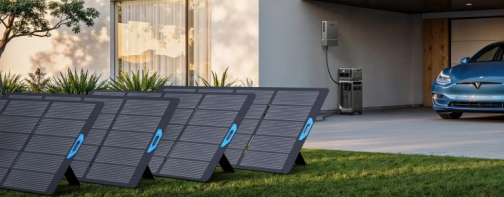
Never use a fuel generator, barbecue, or camp stove indoors because of carbon monoxide risk. Use safe indoor heating methods and keep space heaters away from fabrics, children, and pets. A battery backup can run lights, communications, and medical equipment without fuel or exhaust. Match the backup output to the appliances you need and keep batteries charged. Test the setup before the storm and label essential cords. Safe power planning supports both comfort and emergency communication. The result should be checked again after several weeks of normal use, because real demand often differs from the first estimate. Identify the greatest risk for your home and plan around it.
Stay Safe During and After the Storm
Avoid Travel and Dangerous Activity
Stay indoors during the worst conditions and delay unnecessary travel. If travel is essential, tell someone the route and carry blankets, water, and a charged phone. Avoid downed power lines and do not use electrical equipment that has been exposed to water. Clear snow only when conditions are safe and avoid overexertion. Keep vents and exhausts clear of drifts. Personal safety takes priority over property tasks. Seasonal weather, new appliances, and changes in household routine can alter the most useful choice over time. Keeping safety, maintenance, and future expansion in view prevents a short-term benefit from creating a longer-term limitation. Before relying on any headline figure, confirm the operating limits, installation requirements, and conditions that affect real performance.
Check on Others and Conserve Energy
Contact neighbours, older relatives, and anyone who lives alone. Share updates and confirm that they have heat, food, and medication. Conserve battery power by lowering screen brightness and limiting unnecessary use. Keep refrigerators closed and group people in one warm room if heating fails. Listen for official recovery information before travelling. A simple communication plan helps the household and community respond together. Keeping safety, maintenance, and future expansion in view prevents a short-term benefit from creating a longer-term limitation. Before relying on any headline figure, confirm the operating limits, installation requirements, and conditions that affect real performance. A practical plan should be specific enough to measure and flexible enough to adjust when conditions change.
Conclusion
Preparing for a winter storm warning means understanding official alerts, building a supply kit, planning safe heat and backup power, and avoiding unnecessary travel. Check on others and conserve energy during an outage. Use fuel-burning equipment only outdoors and follow local safety guidance. With a clear plan in place, the household can manage the storm more calmly and recover faster. Keep the original goal in view. Sensible checks keep the plan useful for years. Review the plan after the storm and replace any supplies that were used.