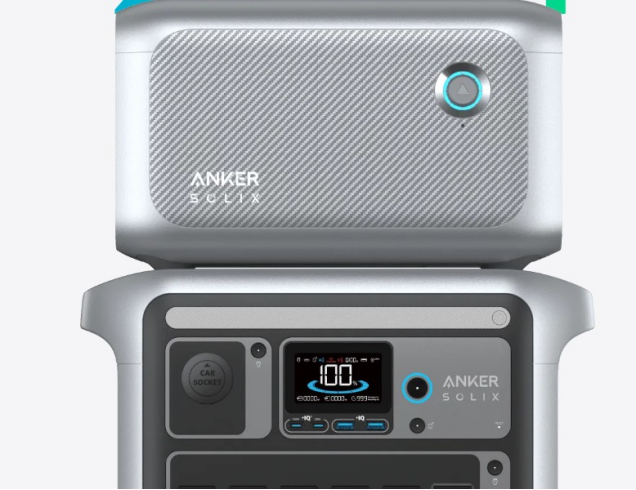
Power station features are defined by durability, charging flexibility, usable output, and control rather than capacity alone. Paying more makes sense when those upgrades improve how reliably a unit serves backup power, travel, outdoor work, or off-grid use. The strongest premium features reduce recharge time, extend battery lifespan, support demanding appliances, and protect connected equipment. Buyers should focus on specifications that affect everyday performance, not decorative extras. Understanding which features deliver measurable value makes it easier to choose a power station that earns its higher price over years of use.
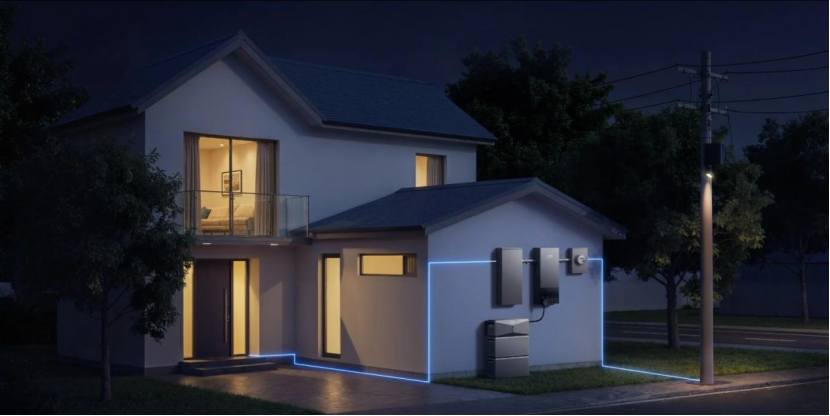
Power Station Features That Justify a Higher Price
LiFePO4 Batteries, Cycle Life, and Long-Term Value
LiFePO4 batteries are one of the clearest reasons to pay more for a modern power station. This lithium iron phosphate chemistry typically offers a long cycle life, strong thermal stability, and dependable performance across repeated charging and discharging. A higher cycle rating matters because it indicates how many charge cycles the battery can complete before its usable capacity falls to a stated threshold. For frequent backup, camping, or mobile work, that longevity can reduce replacement costs over time. Battery management also matters: a well-designed system monitors temperature, voltage, and current to protect the cells. Prioritizing LiFePO4 chemistry and transparent cycle-life specifications can deliver better long-term value than choosing capacity alone.
Fast Charging, Solar Input, and Flexible Recharge Options
Fast charging can turn a power station from an occasional backup device into equipment that is easier to use every day. Higher AC charging rates shorten downtime, while substantial solar input helps restore energy when grid power is unavailable. Flexible models also support combinations of wall, solar, and vehicle charging, giving users more ways to recharge during travel or outages. When comparing specifications, look beyond a headline charging time and check the maximum input wattage, compatible solar voltage range, and whether special adapters are required. Strong recharge flexibility is worth paying for when access to outlets changes frequently, because it makes the stored battery capacity easier to replenish and use.
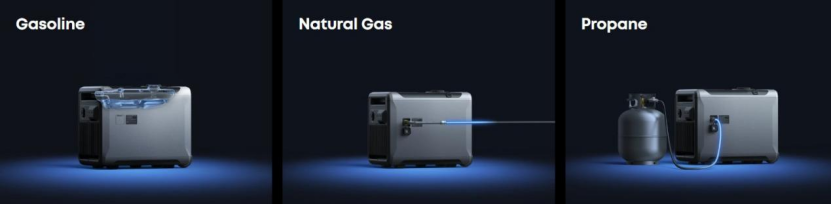
High AC Output, Useful Ports, and Built-In Safety Features
High AC output is valuable when a power station must run appliances with large operating or startup demands. Compare continuous output, surge capability, and the wattage requirements of connected equipment. For motor-driven loads, an hp to watts conversion offers a useful starting point for estimating demand, while startup surge and actual electrical input still require consideration. Safety is equally important. The Anker SOLIX E10 Whole-Home Backup Generator is designed to meet high safety standards, with UL 9540 certification, UL 9540A testing, and NEMA 4 and IP66 certifications. Its military-grade shell, isolated cells, and pressure-relief valve are designed to help contain potential issues and prevent escalation. These protections add meaningful value for demanding backup applications.
How to Decide Which Premium Features You Actually Need
Match Capacity and Features to Your Real Power Needs
Start with the devices you actually expect to run, then size the power station around their combined wattage and desired runtime. Capacity, usually listed in watt-hours, indicates stored energy, while output ratings show how much power the unit can deliver at once. A laptop and lights require far less output than a refrigerator, power tool, or cooking appliance. Build a simple load list, note each device’s running watts, account for startup surges, and estimate typical operating hours. Then allow a reasonable margin for conversion losses and unexpected needs. Paying for extra capacity, higher inverter output, or larger solar input is justified when those features directly support your real usage pattern.
Weigh Smart Controls and Convenience Against Added Cost
Smart controls can improve a power station, but they should solve a real convenience problem before they influence a purchase. App-based monitoring may let you check battery level, input and output power, charging settings, or port status without standing beside the unit. Features such as scheduled charging, adjustable charge limits, energy-saving modes, and firmware updates can also support easier day-to-day management. However, connectivity should complement strong core hardware rather than compensate for limited capacity, slow charging, or insufficient output. Pay extra for remote controls when the unit will be installed out of reach, used frequently, or managed as part of a backup setup. Otherwise, clear onboard controls may be enough.
Conclusion
The power station features worth paying for in 2026 are the ones that improve durability, recharge speed, output capability, safety, and day-to-day usefulness. LiFePO4 battery chemistry, a credible cycle-life rating, strong AC and solar charging, sufficient inverter output, versatile ports, and robust protection systems can justify a higher price when they match your use case. Smart controls add value when remote monitoring or charging management will genuinely save time. Before buying, calculate the loads you need to support and the runtime you expect. A premium power station is a better investment when its added features solve specific power needs, reduce downtime, and remain reliably useful through years of regular service.