Choosing the right portable power station starts with two measurements: how much energy your devices consume and how much power they need at one time. Battery capacity, measured in watt-hours, determines potential runtime. Output, measured in watts, determines which appliances the station can operate. Small units suit phones, laptops, lights, and short trips, while refrigerators, camping setups, and home backup require more capacity and stronger output. The correct size should cover your expected runtime, handle startup surges, and provide practical headroom for energy losses. Calculating these requirements before buying helps you avoid an undersized station or unnecessary extra battery capacity.
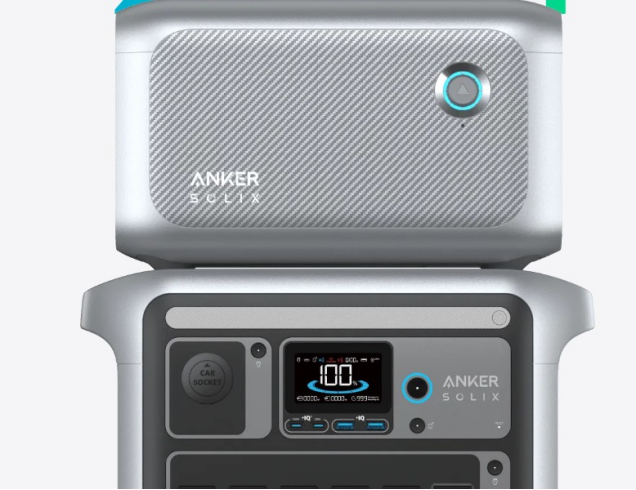
Calculate the Portable Power Station Size You Need
List the Devices You Plan to Power at the Same Time
Start by listing every device you expect to operate at the same time and record its running wattage. Phones and LED lights draw relatively little power, while kettles, coffee makers, heaters, and cooking appliances can require more than 1,000 watts. Add the running watts of simultaneous loads and keep the total below the station’s continuous output rating. For DC devices, a watt to amp conversion can also help you compare power demand with a port’s current limit at the specified voltage, making compatibility clearer. Do not choose a station from battery capacity alone. Even a large battery cannot run an appliance if the inverter or individual output port cannot safely supply the required power.
Calculate Watt-Hours Based on Power Use and Runtime
After checking output, calculate how much stored energy you need. Multiply each device’s wattage by the number of hours you expect to use it. A 60-watt laptop running for five hours requires about 300Wh, while a 100-watt device operating for eight hours needs about 800Wh. Add the watt-hours for all devices to establish your baseline capacity requirement. For equipment that cycles on and off, such as a refrigerator, use average energy consumption over time instead of assuming its rated running wattage remains constant. Then select a battery with capacity above your calculated requirement. That extra margin accounts for inverter consumption and other losses while giving you useful reserve energy if devices run longer than planned.
Account for Startup Surge and Real-World Energy Losses
Some appliances need much more power for a few seconds at startup than during normal operation. Refrigerators, pumps, compressors, and motor-driven tools are examples. Check the appliance specifications for starting or surge wattage, then make sure the portable power station’s surge rating can support that peak. Capacity calculations also need a realistic allowance for energy losses. The inverter, battery management system, internal electronics, wiring, and temperature conditions all affect how much energy reaches connected equipment. For that reason, do not assume a 1,000Wh battery will deliver exactly 1,000Wh through its AC outlets. Building headroom into both capacity and output reduces overload risk and produces a more realistic runtime estimate for everyday or emergency backup.
Match Portable Power Station Capacity to Your Use Case
Small-Capacity Stations for Phones, Laptops, and Short Trips
Small-capacity portable power stations are a practical match for light electronics and short periods away from an outlet. Units around 200Wh to 500Wh can cover tasks such as charging phones, tablets, cameras, lights, and many laptops. Their lower weight makes them easier to carry for day trips, remote work, or short camping stays. Check USB-C power delivery if you plan to charge a laptop directly, and confirm the AC inverter rating before connecting devices with higher demands. This size range is not intended for sustained heating, cooking, or home backup. Choose a small station when portability is a priority, your device list is modest, and your calculated energy requirement fits comfortably within its usable capacity.
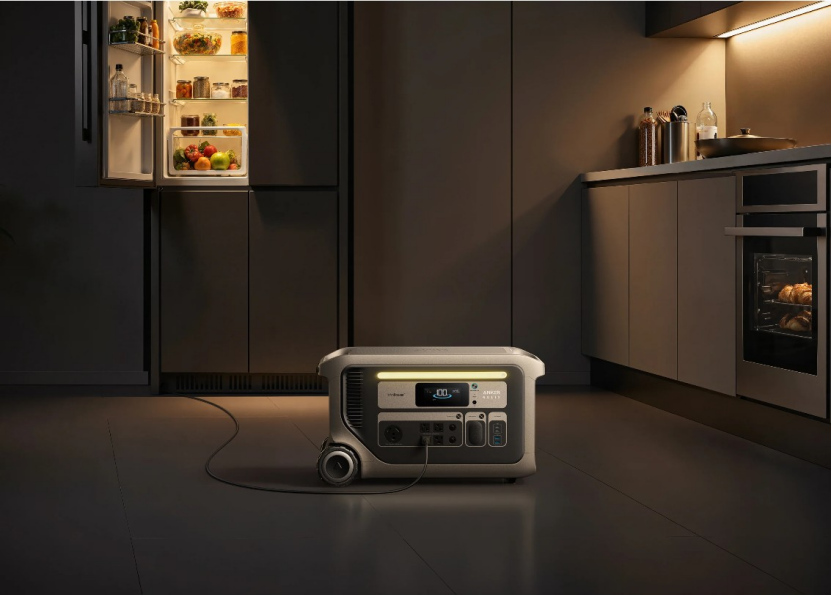
Mid-Size Stations for Camping, Fridges, and Longer Runtime
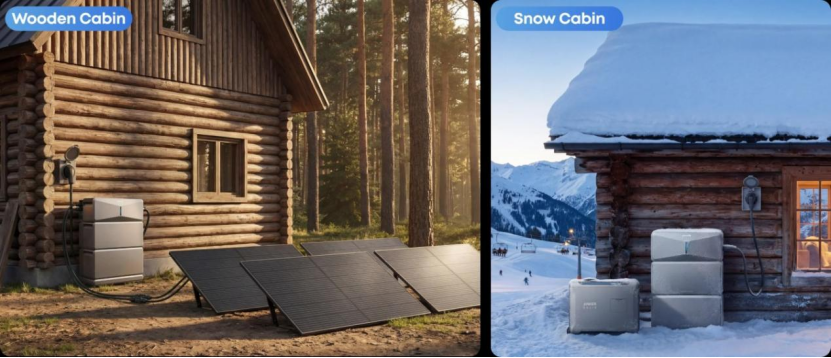
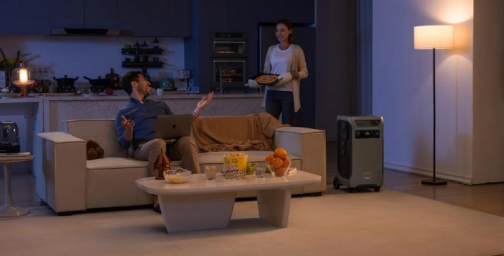
Mid-size portable power stations, roughly 500Wh to 1,500Wh, provide a balance between capacity, output, and portability. They can support camping equipment, lights, laptops, communications gear, and selected household appliances when those loads remain within the station’s ratings. A refrigerator can be suitable, but calculate its average energy consumption across the backup period and verify the compressor’s startup demand. For camping or off-grid use, sufficient solar input can extend practical runtime by allowing the battery to recharge during daylight. Compare continuous AC output, surge capability, recharge speed, and available ports alongside battery capacity. This range works well when you need more than basic device charging but still want a power station that remains reasonably portable.
Large-Capacity Stations for Home Backup and Heavy Loads
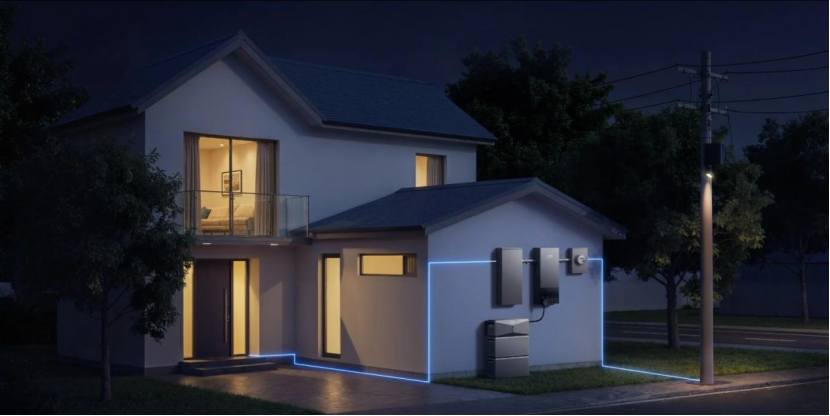
Large-capacity portable power stations are designed for longer backup periods and heavier electrical loads. Models around 1,500Wh and above provide more stored energy for refrigerators, communications equipment, lighting, cooking devices, and other essentials, provided total demand remains within their output ratings. For home backup, calculate the watt-hours required across the outage period rather than selecting capacity from battery size alone. Check continuous inverter output and surge power carefully, especially if several appliances may operate together. Fast recharging and expansion-battery support can improve long-duration usefulness. Because high-wattage appliances can drain even a large battery quickly, prioritize essential loads and stagger energy-intensive devices. This approach extends runtime and keeps the station within its intended electrical limits.
Conclusion
The right portable power station size comes from matching battery capacity and output to a load plan. Add the running watts of devices used simultaneously, calculate watt-hours from power draw and expected runtime, and allow headroom for startup surges and conversion losses. Around 200Wh to 500Wh suits light electronics and short trips. Roughly 500Wh to 1,500Wh covers camping and appliance needs, while 1,500Wh and above suits extended backup and heavier loads. Capacity alone is not enough: verify continuous output, surge rating, ports, and charging capability so the station can store enough energy and deliver it safely and reliably.